villainess manga has skyrocketed in popularity over the past few years, captivating audiences with its intricate character development, subversion of genre tropes, and compelling exploration of morality. These stories often feature protagonists who defy traditional expectations of femininity or villainy, providing a fresh perspective on power dynamics and societal roles. Whether reimagining classic fairy tale archetypes or crafting original worlds, villainess manga challenges readers to reconsider notions of good and evil, love and revenge, and personal agency.
Main Keyword: villainess manga.
The Rise of the Villainess - Exploring a Popular Manga Trope
The resurgence of the villainess archetype in manga reflects broader cultural shifts toward complexity and moral ambiguity in storytelling. Originally, villains were straightforward antagonists serving as obstacles to protagonists; however, the villainess trope introduces protagonists who are as nuanced as they are compelling—sometimes sympathetic, often flawed, and frequently multidimensional. This trend allows manga creators to delve into themes of empowerment, societal rebellion, and personal vengeance, resonating with modern audiences seeking stories that mirror real-life struggles of identity and morality.
The rise of villainess manga also coincides with the popularity of isekai (another world) narratives, where protagonists are often reincarnated into new worlds and given the chance to redefine their destinies. In these stories, villainess characters emerge as powerful figures who rewrite their future, often taking on roles traditionally reserved for heroes or heroines. This blending of genres and archetypes underscores the fluidity of villainess characters, transforming them from mere antagonists into central figures whose journeys challenge expectations and elevate the genre beyond simple good versus evil dichotomies.
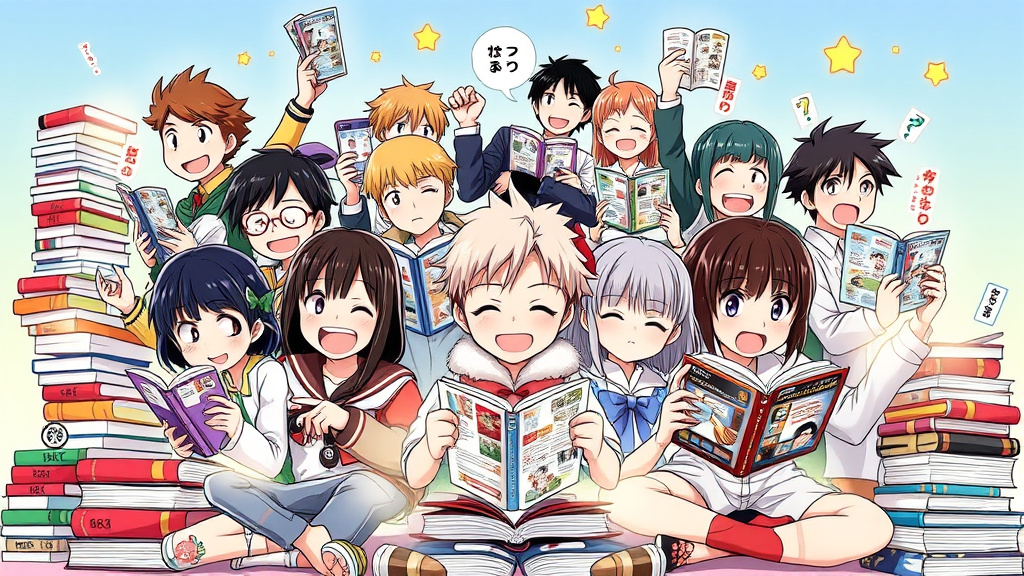
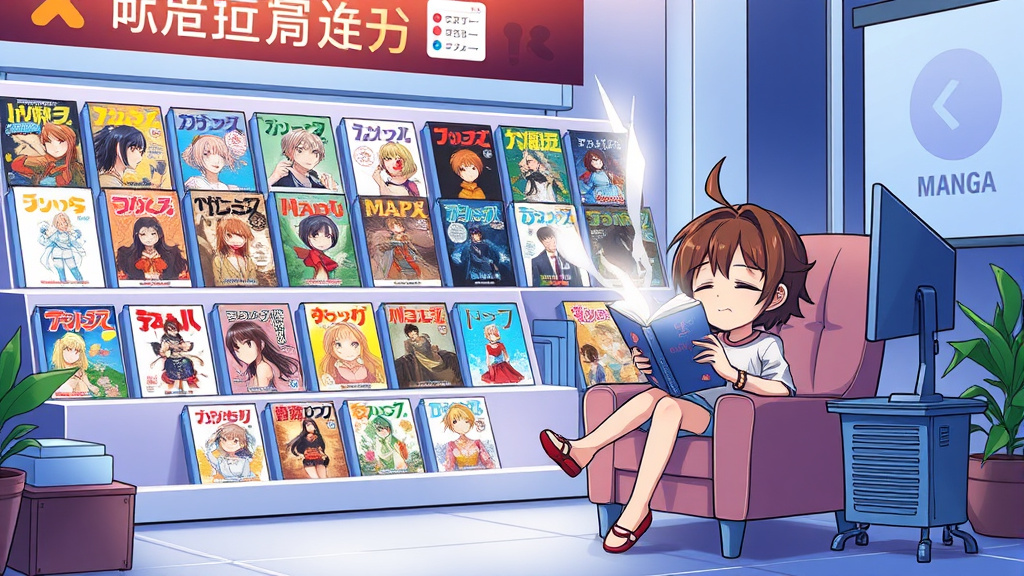 Hình minh họa: manga reader to – villainess manga
From Damsel to Dominatrix - Why Readers Love Villainess Protagonists
Many fans are drawn to villainess manga because they subvert the traditional “damsel in distress” trope by empowering female characters who command agency and influence. These protagonists often start as oppressed or overlooked figures but gradually transform into formidable presences—rising from vulnerability to dominance—fascinating readers with their resilience and cunning. Their journey resonates because it reflects a desire for empowerment, inspiring fans to see strength in vulnerability and strategic thinking.
Moreover, villainess protagonists often operate in morally gray areas, balancing revenge and compassion, strength and vulnerability. This complexity adds depth to their characterizations, allowing readers to empathize with their motives despite their morally questionable actions. By stepping into the villainess role, these characters embody liberation from societal constraints, making their stories not only thrilling but also emotionally resonant, as they navigate the perilous waters of power, love, and morality.

Subverting Expectations - Villainess Manga and Genre Conventions
Villainess manga is renowned for its ability to subvert genre conventions and challenge storytelling norms. Traditionally, manga narratives involve clear distinctions between heroes and villains, with protagonists embodying virtue and antagonists representing evil. However, villainess manga blurs these lines by presenting protagonists who are justified in their actions or are victims of circumstance, compelling audiences to question the binary view of morality.
This genre’s inventive approach encourages readers to think critically about societal labels and the circumstances that shape character morality. It often incorporates elements of romance, political intrigue, and psychological drama, which work together to create complex narratives where the villainess’s actions are motivated by understandable desires or tragic pasts. Such storytelling not only entertains but also provokes deeper reflection on themes of justice, vengeance, and societal norms, resisting simplistic labels in favor of nuanced portrayals.
Redemption and Revenge - The Moral Ambiguity of Villainess Characters
One of the most compelling aspects of villainess manga is its exploration of moral ambiguity—particularly the themes of redemption and revenge. These stories often feature characters seeking vengeance for wrongs done to them, yet their actions can lead to unintended consequences or moral dilemmas that challenge the notion of justified revenge. Conversely, some villainess characters are portrayed as seeking redemption, attempting to undo past mistakes and find personal peace.
This duality reflects the complex reality of human nature, emphasizing that morality isn’t black and white. Audiences are drawn to characters who struggle with their choices, making them more relatable and multidimensional. Villainess manga compellingly portrays how circumstances, emotions, and personal convictions intersect with morality. These narratives invite readers to consider the costs of revenge and the possibility of redemption, highlighting that villainess characters are often caught between the desire for justice and the need for self-acceptance.
Fashion, Power, and Influence - The Aesthetics of Villainess Manga
A defining characteristic of villainess manga is its stunning aesthetic—particularly the attention to fashion, symbolism, and visual design that emphasize the protagonist’s power and influence. Villainess characters often sport elaborate costumes, luxurious accessories, and distinctive color palettes that symbolize their personality and role within the story. Their style isn’t merely ornamental but serves as a visual shorthand for their narrative power and eventual transformation.
The aesthetic choices in villainess manga often mirror the thematic elements of power and influence, employing rich details and striking visuals to make characters memorable and iconic. This focus on fashion also reflects societal notions of status and identity, with villainess characters often defined by their elegance, cunning, or dominance. Such visual storytelling enhances character development, making them not only symbols of rebellion or control but also embodiments of fantasy and escapism that captivate the reader’s imagination.
Beyond the Antagonist - Understanding the Psychology of Villainesses
Understanding the psychology of villainess characters elevates their stories from simple revenge plots to profound explorations of identity and trauma. These protagonists are often shaped by complex backgrounds—abandonment, betrayal, societal rejection—which influence their perceptions and actions. Their villainous tendencies may stem from a deep desire for justice or sense of empowerment after years of marginalization, making them relatable on an emotional level.
By delving into the internal struggles of villainess characters, manga creators give voice to victims of societal oppression and personal trauma. Their psychology highlights themes of resilience, autonomy, and defiance, encouraging readers to reflect on the reasons behind their actions. Such nuanced portrayals challenge assumptions about villainy, suggesting that the line between hero and villain can be blurred by circumstances and perception. These stories invite empathy and understanding, portraying villainesses as individuals shaped by their unique psychological landscapes.
Romantic Entanglements - Love and Power in Villainess Manga
Romance remains a core element within villainess manga, often intertwined with themes of power, manipulation, and emotional vulnerability. The love interests of villainess protagonists are rarely simple; instead, they often challenge traditional gender roles and explore dynamics of control and dependency. This complex interplay creates tension and depth, emphasizing that love in villainess manga is rarely straightforward but is instead entangled with themes of revenge, redemption, and societal expectation.
These romantic plots deepen character development by exposing vulnerabilities and desires. Villainess characters may use love as a weapon or a refuge, adding layers of moral complexity to their stories. The fluctuating power dynamics—ranging from dominance to vulnerability—mirror the characters’ internal struggles and growth. This nuanced portrayal of romance offers readers a compelling view of love’s transformative potential, even in worlds rife with betrayal and deception.
Isekai Villainesses - Reincarnation as a Vehicle for Transformation
The popularity of isekai villainess manga has soared, with protagonists reincarnated into fantasy worlds where they often start as villains. Reincarnation serves as a catalyst for personal transformation, allowing characters to escape their past identities and forge new destinies. This genre explores themes of second chances, self-discovery, and agency, resonating with fans who see the potential to reinvent themselves regardless of their origins.
Reincarnated villainesses frequently challenge the expectations of their new worlds by consciously choosing different paths—whether through rebellion, kindness, or strategic manipulation. Their journeys highlight the fluidity of identity and the impact of choice, emphasizing that villainy is often a product of circumstance rather than innate nature. These stories appeal to the desire for escapism and self-empowerment, offering a compelling blend of fantasy, psychological depth, and moral exploration.
The Appeal of Escapism - Why Villainess Manga Resonates with Readers
Villainess manga’s widespread appeal lies in its ability to serve as escapism—offering readers a chance to immerse themselves in worlds where they can explore themes of power, beauty, and morality without real-world consequences. These stories provide a fantasy of transformation, where characters defy societal expectations and carve their own destinies. The allure of being able to control one's fate resonates profoundly, especially within the context of contemporary societal pressures and gender norms.
Additionally, villainess manga often features visually stunning worlds, intricate political schemes, and emotionally charged conflicts that serve as a form of emotional catharsis. The characters' empowerment and defiance inspire readers to envision alternative possibilities for themselves, fostering a sense of hope and resilience. This combination of fantasy, morality play, and emotional complexity makes villainess manga not only entertaining but also meaningful, allowing fans to explore their own desires for liberation and self-assertion in a safe, imaginative space.
Villainess Manga - A Critical Analysis of Gender Roles and Societal Expectations
At its core, villainess manga frequently interrogates traditional gender roles and societal expectations. Many stories feature female protagonists who challenge passive femininity, embracing strength, cunning, and agency instead. This subversion invites discussions about gender norms, power dynamics, and societal constraints—highlighting how women can reframe their identities beyond stereotypical roles.
Most notably, these manga often portray the villainess as a symbol of rebellion—a protagonist who refuses to conform to oppressive standards of beauty, behavior, or societal expectations. This empowerment narrative resonates with contemporary debates about gender equality and autonomy. By dissecting how societal norms shape individual identities, villainess manga encourages readers to question and redefine their own roles within a patriarchal society, making it a powerful tool for cultural critique and personal reflection.
The Rise of the Villainess: Exploring a Popular Manga Trope
The "Villainess" character trope has seen a remarkable rise in popularity within manga, captivating audiences who crave complex, multidimensional protagonists. Unlike traditional villains defined solely by their malice, villainess characters often embody a mixture of elegance, cunning, and resilience, making their narratives mirror contemporary desires for empowered female figures. This evolution reflects a shift in storytelling where the villainess is no longer merely an obstacle but a protagonist with agency, depth, and a compelling backstory, challenging stereotypical notions of good versus evil.
This resurgence underscores broader cultural conversations about femininity, morality, and societal expectations. By exploring the rise of villainess characters, we also observe a desire among readers to see women in positions of power, unapologetically flawed yet relatable. The genre’s ability to blend fantasy and psychological realism allows these characters to articulate complex emotions of revenge, justice, and identity, ultimately transforming the villainess from a mere trope into a vessel for storytelling innovation and cultural critique.
From Damsel to Dominatrix: Why Readers Love Villainess Protagonists
Readers are drawn to villainess protagonists because they embody a radical departure from the typical passive or helpless female archetype. Instead of waiting for rescue or approval, these characters seize control of their narratives, wielding power and intelligence in ways that resonate with modern ideals of independence. Their journey from vulnerability to dominance appeals to audiences who crave stories of empowerment, transformation, and resilience.
What makes villainess characters uniquely compelling is their layered complexity—they often grapple with morality, personal trauma, and societal judgment while asserting their autonomy. This intricate balance between vulnerability and strength fosters empathy, allowing readers to explore themes of empowerment without sacrificing emotional depth. Such protagonists serve as mirror images of contemporary struggles for agency, making villainess manga both a reflection of societal shifts and a source of inspiration for self-assertion.
Subverting Expectations: Villainess Manga and Genre Conventions
One of the most captivating aspects of villainess manga is its ability to subvert genre expectations. Traditional shonen or romance narratives often position women as secondary or passive figures, but villainess manga flips this paradigm by placing women at the center of complex power struggles. These stories challenge conventions—turning villains into protagonists, difficulty into triumph, and morality into gray areas—creating a narrative landscape that defies predictability.
This genre’s frequent use of clever plot twists and character development encourages readers to question moral absolutes, emphasizing that heroism and villainy are often subjective. Moreover, by blending elements of fantasy, political intrigue, and psychological drama, villainess manga breaks free from genre boundaries, invigorating storytelling with fresh perspectives. This audacious approach not only keeps readers engaged but also invites critical reflection on societal notions of virtue and vice.
Redemption and Revenge: The Moral Ambiguity of Villainess Characters
Villainess characters often wrestle with moral ambiguity, oscillating between desires for revenge and the pursuit of redemption. Their narratives explore whether vengeance can provide catharsis or if it perpetuates cycles of suffering, making their stories rich with ethical nuance. These protagonists are frequently shaped by personal trauma or societal rejection, which complicates the moral landscape and encourages viewers to sympathize with, or question, their motives.
This blurring of moral lines reflects broader philosophical inquiries into justice, forgiveness, and self-identity. Villainess manga often presents characters who are both victims and perpetrators, forcing readers to confront uncomfortable truths about human nature. Such complexity elevates these stories from mere revenge tales to profound explorations of personal growth, moral resilience, and the transformative power of understanding one’s darkness and light.
Fashion, Power, and Influence: The Aesthetics of Villainess Manga
Fashion and aesthetics are integral to the appeal of villainess manga, serving as visual symbols of power, influence, and individuality. The characters' elaborate costumes, striking hairstyles, and detailed accessories do more than create an aesthetic allure—they reflect their personalities and the roles they embody within the story’s universe. These choices often symbolize status, cunning, or rebellion, reinforcing their thematic significance through visual storytelling.
The meticulous focus on fashion also resonates with societal notions of beauty, power, and identity. Villainess characters are often portrayed as paragons of elegance and sophistication, which contrasts with their morally ambiguous actions and challenging intentions. Such aesthetics elevate the narrative, making the characters not only memorable but also emblematic of a desire for freedom and self-expression—encapsulating the fantasy of transformation and the allure of aesthetics as a form of wielded influence.
Beyond the Antagonist - Understanding the Psychology of Villainesses
Understanding the psychology of villainess characters reveals that they are far from one-dimensional antagonists—they are often complex individuals shaped by trauma, rejection, or societal pressures. Their behavior is frequently rooted in a desire to reclaim control or justice in a world that has marginalized or hurt them. This psychological depth humanizes their actions, transforming them into protagonists navigating their internal struggles as much as external conflicts.
By delving into their backgrounds and mental states, villainess manga explore themes of resilience, autonomy, and defiance. Such portrayals encourage empathetic engagement, challenging viewers to see these characters not as simply evil but as products of circumstance, trauma, or unmet needs. These nuanced depictions reveal that villainy can often be a response to societal failures, making them compelling symbols of resistance and the complex nature of human identity, blurring the traditional dichotomy of good versus evil.
Romantic Entanglements: Love and Power in Villainess Manga
Romance in villainess manga weaves a complex tapestry of love, manipulation, and power dynamics, elevating the genre’s emotional stakes. The romantic interests often serve as mirrors or foils to the protagonist’s journey, challenging traditional gender roles and exploring themes of dependency, control, and emotional vulnerability. These relationships can either reinforce or undermine the villainess’s sense of independence, adding layers of moral ambiguity and character development.
The intertwining of love and power reveals that emotional vulnerability is a key aspect of growth, even for characters striving for dominance. The fluctuating balance between control and surrender underscores the internal conflicts faced by villainess protagonists, making their stories resonate on a human level. Romantic entanglements serve as vital narrative devices that deepen the exploration of themes like trust, manipulation, and redemption, illustrating that love can be both a weapon and a refuge.
Isekai Villainesses: Reincarnation as a Vehicle for Transformation
The isekai villainess genre capitalizes on the theme of reincarnation to facilitate profound character transformation. Reincarnated protagonists often begin as villains shaped by their previous lives’ circumstances but find opportunities to reshape their fates in fantastical worlds. This narrative device is appealing because it offers a chance for redemption, personal growth, and the questioning of identity—resonating with fans who desire second chances.
These stories emphasize agency over innate nature, illustrating that villainy is a context-dependent trait rather than an inherent quality. By choosing different paths—be it kindness, rebellion, or strategic manipulation—reincarnated villainesses explore the fluidity of morality and demonstrate that transformation is possible regardless of one’s origins. The genre’s focus on reincarnation also taps into universal desires for self-empowerment and reinvention amid escapism-rich worlds.
The Appeal of Escapism: Why Villainess Manga Resonates with Readers
Villainess manga’s primary appeal lies in its power to offer escapist fantasy—an immersive experience where societal constraints dissolve and characters forge their own destinies. The genre allows readers to indulge in worlds where they can assume control, defy expectations, and embody traits often repressed in reality. The allure of such stories is rooted in their capacity to evoke hope, resilience, and empowerment within a safe, imaginative context.
Moreover, villainess manga combines visually stunning artwork, emotionally charged conflicts, and morally complex characters to create compelling narratives that resonate deeply with audiences. Many readers see these stories as allegories for personal struggle and growth, providing catharsis and aspiration. The genre’s blend of glamour, rebellion, and moral ambiguity fosters a sense of liberation—encouraging fans to explore their own desires for independence, strength, and self-assertion through characters who defy traditional norms.
Villainess Manga: A Critical Analysis of Gender Roles and Societal Expectations
Villainess manga critically confronts gender roles and societal expectations by showcasing female protagonists who actively challenge and redefine them. These characters reject passive femininity, instead embodying traits of strength, intelligence, and independence. As a result, the genre becomes a space to explore feminist themes—questioning beauty standards, societal restrictions, and the limitations placed on women within traditional narratives.
Many villainess stories portray protagonists who openly resist societal oppression, pushing against the stereotype of women as delicate or submissive. This act of rebellion fosters a dialogue about gender equality, autonomy, and the fluidity of identity. By spotlighting women who wield power—whether via cunning, strength, or moral ambiguity—villainess manga serve as cultural critique and inspire readers to embrace their own agency, emphasizing that liberation begins with resisting restrictive societal molds.
Conclusion
In summary, villainess manga is a rich, multifaceted genre that challenges traditional storytelling paradigms through its compelling characters, aesthetic appeal, and thematic depth. It explores complex psychological landscapes, subverts genre expectations, and boldly questions societal norms surrounding gender and morality. The genre’s emphasis on empowerment, transformation—whether through reincarnation or psychological resilience—and the interplay of love and power captivates a broad readership seeking escape, reflection, and self-assertion. Ultimately, villainess manga not only entertains but also offers profound insights into human nature, societal dynamics, and the transformative potential of embracing one's vulnerabilities and strengths.